
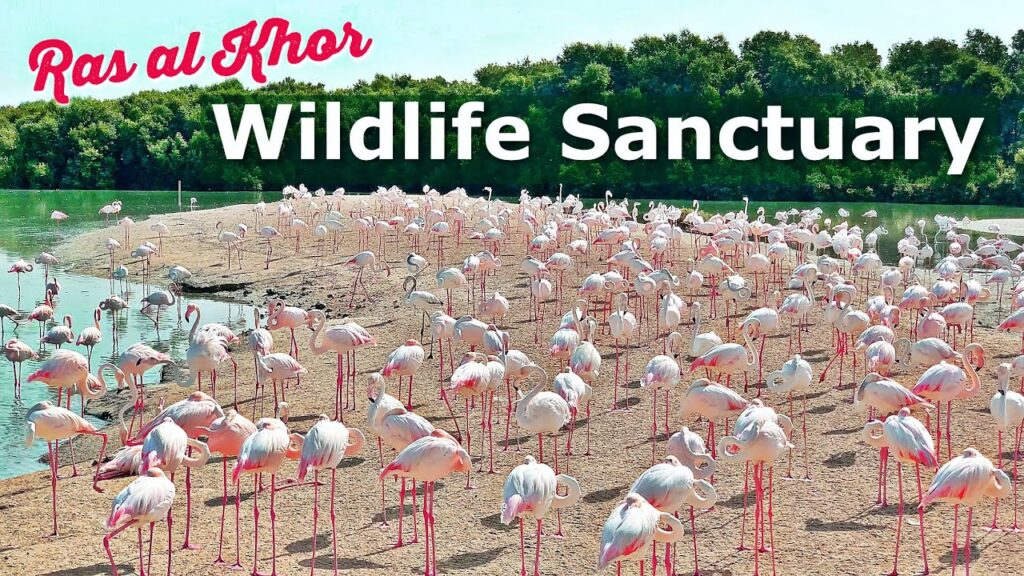
Ras Al Khor Wildlife Sanctuary, situated adjacent to Dubai, serves as a vital ecological haven within the United Arab Emirates (UAE). This protected area spans approximately 1,300 hectares, offering a crucial habitat for diverse wildlife, particularly migratory birds. Among the notable species are the pink flamingos, which flock to this sanctuary during winter months. The sanctuary is a prime example of the UAE’s commitment to biodiversity and conservation efforts, showcasing the relationship between urban development and environmental preservation.
Visitors to Ras Al Khor can engage with nature through well-maintained trails and strategically placed bird hides. These facilities enable wildlife observation without disturbing the natural habitat. The sanctuary’s blend of saltwater lagoons, mudflats, and tidal channels supports a rich variety of flora and fauna, highlighting the ecological significance of this area. Nature enthusiasts and researchers alike can explore the intricate ecosystems that thrive in this urban-adjacent reserve, reinforcing the importance of conservation in the face of rapid urbanisation in Dubai.
Ras Al Khor serves as a model for sustainable tourism and conservation practices in the UAE. The sanctuary not only enhances biodiversity but also provides educational opportunities for visitors and locals. By promoting awareness of environmental issues and the significance of wetlands, Ras Al Khor plays a crucial role in fostering a connection between the community and the natural world. This unique establishment is essential for those seeking to understand and appreciate the natural heritage of the UAE amidst its modern landscape.
Why Visit Ras Al Khor?
Ras Al Khor Wildlife Sanctuary (RAKWS) is an essential ecological site located in Dubai, United Arab Emirates. This sanctuary is a critical habitat for over 450 species of wildlife, including vibrant flamingos and various native bird species. The juxtaposition of natural beauty against the urban skyline of Dubai creates a unique opportunity for visitors to engage with the UAE’s rich biodiversity. Those seeking tranquillity will find solace in the lush mangroves and serene wetlands that characterise this protected area, making it a perfect retreat from the bustling city.
Visitors to Ras Al Khor can experience a multitude of activities that foster a deeper understanding of the region’s ecology. One can observe thousands of flamingos in their natural habitat, providing a spectacular and calming sight that underscores the importance of wildlife conservation. The sanctuary features well-maintained walking trails and bird hides, which allow users to closely observe wildlife while minimising disturbance. Engaging with these carefully designed facilities enhances the visitor experience, promoting an appreciation for the delicate balance between urban development and environmental preservation in Dubai.
In addition to its breathtaking scenery, Ras Al Khor Wildlife Sanctuary serves as a model for sustainable urban planning in the UAE. The sanctuary’s management, overseen by Dubai Municipality, showcases Dubai’s commitment to preserving its natural heritage amid rapid development. By visiting Ras Al Khor, individuals not only enjoy a peaceful escape but also support conservation efforts that protect local ecosystems. This experience highlights the significance of protecting natural habitats in the face of urban expansion, making it a must-see destination for eco-conscious travellers in the UAE.
Best Time for Flamingo Spotting
For the best flamingo sightings, visit from October to March during Dubai’s winter. Early mornings and late afternoons offer ideal lighting for viewing these stunning birds.
Season: October to March (Peak Winter)
Although Dubai (Dubai, United Arab Emirates) experiences warm weather throughout the year, the period from October to March signifies the peak winter season. This timeframe presents an optimal opportunity for birdwatchers and nature enthusiasts to observe flamingos (Phoenicopterus roseus) in their natural habitat at Dubai Creek Harbour. The cooler temperatures during these months attract large flocks of flamingos, enhancing the experience for visitors and creating a picturesque scene against the urban skyline.
The cooler climate in Dubai encourages flamingos to exhibit more active behaviours. This increased activity allows observers to witness their vibrant pink feathers as they forage and socialise. The migratory patterns during this season result in significant numbers of flamingos congregating in Dubai Creek. This phenomenon provides an exceptional opportunity for birdwatchers and photographers to capture stunning images of these elegant birds in close proximity.
Additionally, the clear skies and mild weather conditions during the peak winter months make it comfortable for visitors engaging in nature walks or photography sessions. The outdoor experiences in Dubai Creek Harbour become even more enjoyable, allowing enthusiasts to fully appreciate the beauty of the flamingos and the surrounding environment. To maximise your encounter with these remarkable birds, plan your visit between October and March for an unforgettable wildlife experience.
Time of Day: Early Morning or Late Afternoon
When visiting Dubai Creek Harbour, the early morning or late afternoon presents optimal conditions for flamingo observation. Dubai Creek (Dubai) and the Dubai Wildlife Reserve (DWR) offer ideal habitats for these birds. During these times, the golden light enhances the visibility of flamingos, illuminating their pink feathers against the water’s surface. Observers will find that the birds exhibit increased activity, engaging in feeding or taking to the skies, which is vital for wildlife enthusiasts aiming to capture memorable photographs.
The cooler temperatures during these periods create a more comfortable walking environment. This is particularly beneficial for visitors exploring the Dubai Creek Harbour area, as it promotes longer periods of observation without discomfort. Additionally, these times typically see fewer visitors, allowing for a tranquil atmosphere conducive to enjoying the presence of these graceful birds. Engaging with the natural environment in such conditions fosters a deeper appreciation for Dubai’s rich biodiversity. Therefore, whether you choose the serene early morning or the picturesque late afternoon, both times promise exceptional experiences for flamingo spotting at Dubai Creek Harbour.
High Tide Viewing
High Tide Viewing at Dubai Creek Harbour
Flamingos (Phoenicopteridae) depend on shallow waters for feeding, making high tide at Dubai Creek Harbour the ideal time for observation. The Dubai Creek Harbour Development (DCHD) offers a picturesque environment where rising waters attract large flocks of flamingos. To optimise your experience, plan your visit during high tide to witness these birds in their natural habitat.
During high tide, the water expands across the area, enabling flamingos to congregate in significant numbers, creating a striking visual display. Observers can experience their unique feeding behaviour as these birds engage in filter feeding in the shallow waters. Visit early in the morning or late in the evening to take advantage of the softer light, which enhances the overall beauty of the scene, providing excellent photography opportunities.
When planning your visit to Dubai Creek Harbour, consider checking the local tide schedules to ensure you arrive at high tide. This natural phenomenon not only showcases the majesty of flamingos but also highlights the ecological importance of the area’s wetland ecosystem. Engaging with local wildlife and understanding their behaviours enriches the overall experience at one of Dubai’s prime natural attractions.
Viewing Platforms
Discover the Three Bird Hides near Dubai Creek Tower, perfect for observing wildlife while enjoying serene views. Next, explore more about the features of these unique platforms.
The Three Bird Hides
Discover the enchanting three bird hides at Dubai Creek Tower, each offering a distinct way to connect with nature and observe its wonders.
Flamingo Hide (Main Platform)
The Flamingo Hide, formally known as the Main Platform, serves as a critical observation point within the Ras Al Khor Wildlife Sanctuary in Dubai. This sanctuary, a designated Ramsar site, is renowned for its diverse ecosystem and plays host to a variety of migratory species, including the iconic flamingo. Visitors to the Flamingo Hide can observe these majestic birds in their natural habitat while also appreciating the broader biodiversity of the UAE.
Engagement with the site offers unique educational opportunities about local wildlife conservation efforts. The Dubai Environment and Protected Areas Authority (EPAA) oversees the sanctuary, ensuring the protection of its avian inhabitants and their habitats. Visitors can gain insights into the conservation strategies employed in the UAE while enjoying peaceful moments in a serene natural setting, making it an ideal spot for both relaxation and learning.
Photographers and nature enthusiasts will find the Flamingo Hide an exceptional location for capturing stunning imagery of wildlife. The vantage point provides ample opportunities to document memorable experiences as visitors interact with Dubai’s vibrant natural environment. The unique perspectives offered by the hide enhance the wildlife observation experience, encouraging a deeper connection with nature and fostering appreciation for the UAE’s ecological heritage.
Mangrove Hide
The Mangrove Hide offers an unparalleled wildlife experience within the Ras Al Khor Wildlife Sanctuary (RAKWS) and the Dubai Creek area. This serene platform immerses visitors in the dynamic coastal ecosystem of Dubai, showcasing the intricate relationship between mangroves and diverse bird species. Here, visitors can observe various avian life, including herons and kingfishers, nestled within the lush foliage of the mangroves, enhancing the connection to nature.
As part of the Dubai Wildlife Conservation Programme, the Mangrove Hide facilitates an understanding of the essential role that mangroves play in coastal protection and biodiversity. Visitors can engage with educational resources that highlight conservation efforts, promoting a sustainable relationship with the environment. This unique setting not only fosters appreciation for wildlife but also encourages responsible ecotourism practices in the UAE.
Lagoon Hide
Nestled along the tranquil waters of Dubai Creek, the Lagoon Hide serves as a vital ecological observation point, showcasing the intricate interdependence between the environment and its inhabitants. This area, managed by the Dubai Municipality and the Dubai Environment Centre, allows visitors to closely observe resident avian populations, such as the Western Reef Heron and the Black-winged Stilt. Engaging with these species in their natural habitat fosters a deeper understanding of the coastal ecosystem’s biodiversity.
Visitors to Lagoon Hide can relish uninterrupted views of Dubai Creek, a significant waterway that supports local wildlife and contributes to the emirate’s ecological balance. The expansive vistas provide a unique opportunity for nature enthusiasts and photographers alike to capture images of the dynamic landscape and its rich inhabitants. This serene setting encourages individuals to appreciate the importance of conservation efforts led by the Emirates Wildlife Society and the Dubai Conservation Team, promoting sustainable practices.
Moreover, the Lagoon Hide is an ideal location for capturing stunning photographs of wildlife and picturesque sunsets, creating lasting memories for visitors. Engaging with the natural surroundings not only enhances recreational experiences but also raises awareness of the importance of preserving such habitats. By connecting with the local environment, visitors contribute to the overall conservation efforts spearheaded by regional environmental organisations, ensuring that the beauty of Dubai’s coastal ecosystem is safeguarded for future generations.
How to Visit
To fully immerse yourself in the experience of Dubai Creek Tower, strategic planning is essential. Located in Dubai Creek Harbour, the tower is readily accessible via multiple transport options, including taxis, private vehicles, and metro services provided by the Roads and Transport Authority (RTA). The visiting hours typically run from 9 AM to 9 PM, allowing ample opportunities to access the observation decks and take in breathtaking views of the cityscape and waterfront.
Tickets for Dubai Creek Tower can be purchased online through the official website or directly at the entrance. There are two main ticket types available: general admission and VIP access, with VIP providing additional benefits such as priority entry. Given the popularity of this landmark, particularly during peak hours, it is advisable to secure your tickets in advance to ensure a seamless visit.
Tips for the Best Experience
Planning a visit to Dubai Creek Tower is a multifaceted endeavour that requires strategic preparation beyond merely purchasing tickets. The Dubai Creek Tower, located in the heart of Dubai, is set to be the tallest structure in the world and offers panoramic views of the iconic Dubai skyline. To ensure an optimal experience, consider these essential steps. First, choose a day with clear weather conditions; this will significantly enhance visibility for the stunning 360-degree views available from the observation decks. Second, aim to arrive early to bypass peak crowds and relish the tranquil atmosphere as Dubai awakens. Lastly, ensure that your camera or smartphone is fully charged, as the dynamic lighting and breathtaking vistas create perfect photographic opportunities.
To further enrich your visit, adhere to these three actionable recommendations. Firstly, select attire that balances comfort and sophistication; while the exterior climate in Dubai can be warm, the interiors of the tower maintain a refreshing and elegant coolness. Secondly, secure your tickets online with Emaar Properties, the developer behind Dubai Creek Tower, to guarantee your desired time slot and streamline your entry. Lastly, dedicate ample time to explore each observation deck thoroughly; the intricate architectural design and expansive views merit a leisurely appreciation, allowing you to fully absorb this magnificent feat of engineering.
What Else to See
As you continue your journey, immerse yourself in the rich biodiversity around Dubai Creek Tower, where nature and urban life uniquely intertwine.
Other Bird Species (Herons, Eagles, Waders)
Dubai Creek Harbour, a prominent development by Emaar Properties, showcases not only an iconic skyline but also a rich diversity of avian life that captivates nature enthusiasts. This area, located in the heart of Dubai, is home to various bird species, including elegant herons, powerful eagles, and lively waders. Observing these birds provides a unique contrast to the urban environment, enhancing the ecological appreciation of the region.
Herons, such as the Great Egret and the Purple Heron, demonstrate remarkable hunting skills in Dubai Creek. Their patience and precision in ambushing prey highlight their adaptation to local aquatic habitats. Meanwhile, eagles, including the Steppe Eagle and the Tawny Eagle, can be seen soaring above the creek, utilising thermal currents to survey vast areas for food. Birdwatchers can gain insights into these species’ behaviours while enjoying the natural beauty surrounding the area.
Waders, like the Black-winged Stilt and the Common Sandpiper, actively forage along the creek’s mudflats. Their agile movements and probing strategies allow them to extract invertebrates from the substratum. Engaging in birdwatching at Dubai Creek Harbour not only enhances one’s appreciation for local biodiversity but also supports conservation efforts led by organisations such as the Emirates Bird Conservation Society. Visitors can partake in guided tours that educate about these species while promoting responsible wildlife observation.
Mangrove Ecosystem
The mangrove ecosystem along Dubai Creek, a vital part of the United Arab Emirates (UAE) marine environment, showcases the interplay between natural resilience and urban development. The Dubai Creek Harbour, a significant urban project by Emaar Properties, emphasises the importance of preserving this unique ecosystem. Mangroves play a crucial role in protecting shorelines from erosion, serving as a natural barrier against storm surges while providing essential habitats for diverse wildlife.
Mangroves, specifically Avicenna marina and Rhizophora mucronata, thrive in brackish water, filtering pollutants and supporting a rich food web. The Dubai Environment Agency actively monitors the health of this ecosystem, ensuring that it continues to flourish. Wildlife enthusiasts can observe various species, including crabs and over 60 bird species, nesting among the intricate root systems. This ecosystem illustrates the potential for harmony between nature and urban progress, highlighting the UAE’s commitment to environmental conservation.
| Feature | Benefit | Fun Fact |
|---|---|---|
| Salt Tolerance | Thrives in brackish water | Roots filter salt |
| Wildlife Habitat | Supports birds, fish, crabs | Home to over 60 species |
| Shoreline Shield | Prevents erosion | Acts as natural barrier |
| Carbon Storage | Captures CO2 | Helps reduce climate change |
| Water Filter | Cleans pollutants | Improves water quality |
The resilience of mangroves in the UAE contributes significantly to carbon storage, effectively capturing carbon dioxide (CO2) from the atmosphere. The Abu Dhabi Marine Conservation Programme has recognised the importance of these ecosystems in combating climate change. Their preservation is essential for maintaining ecological balance and improving water quality in coastal regions.
Additionally, the Dubai Municipality contributes to the restoration and protection of mangrove areas, ensuring that these vital ecosystems remain intact for future generations. Communities can engage in local initiatives such as tree planting and conservation education to support these efforts. Understanding the role of mangroves is crucial for informed decision-making regarding coastal development and environmental sustainability in the UAE.